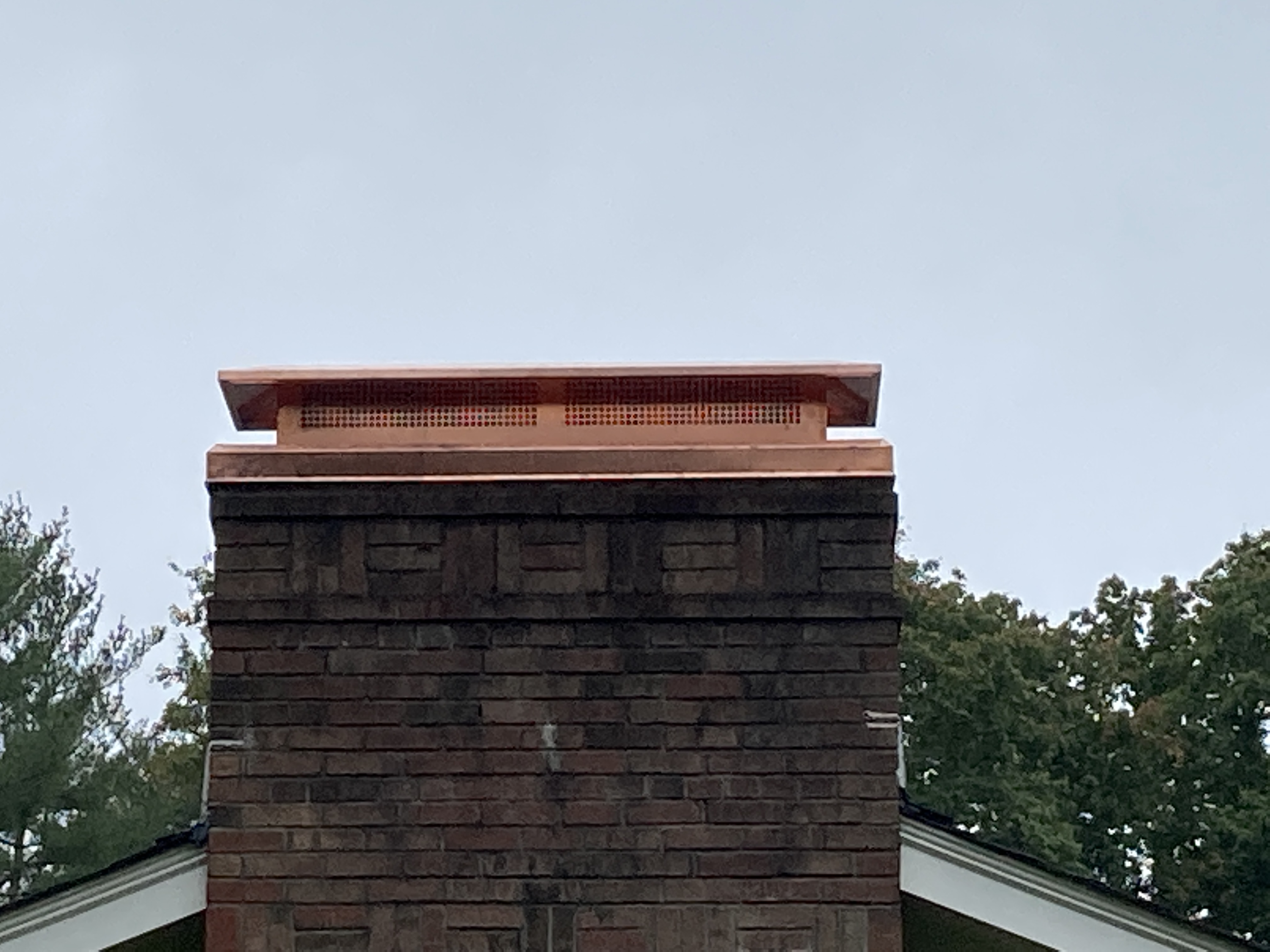
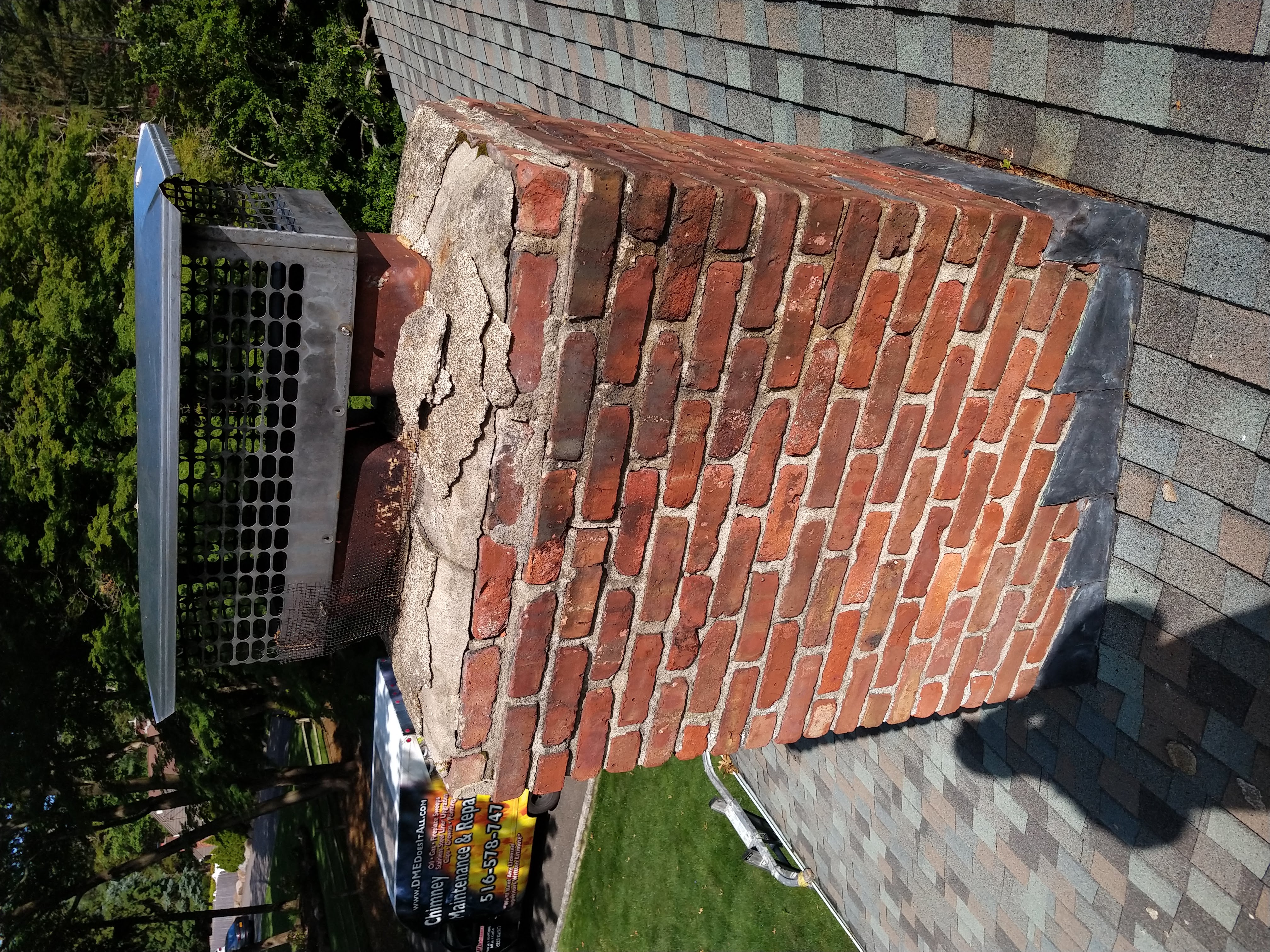
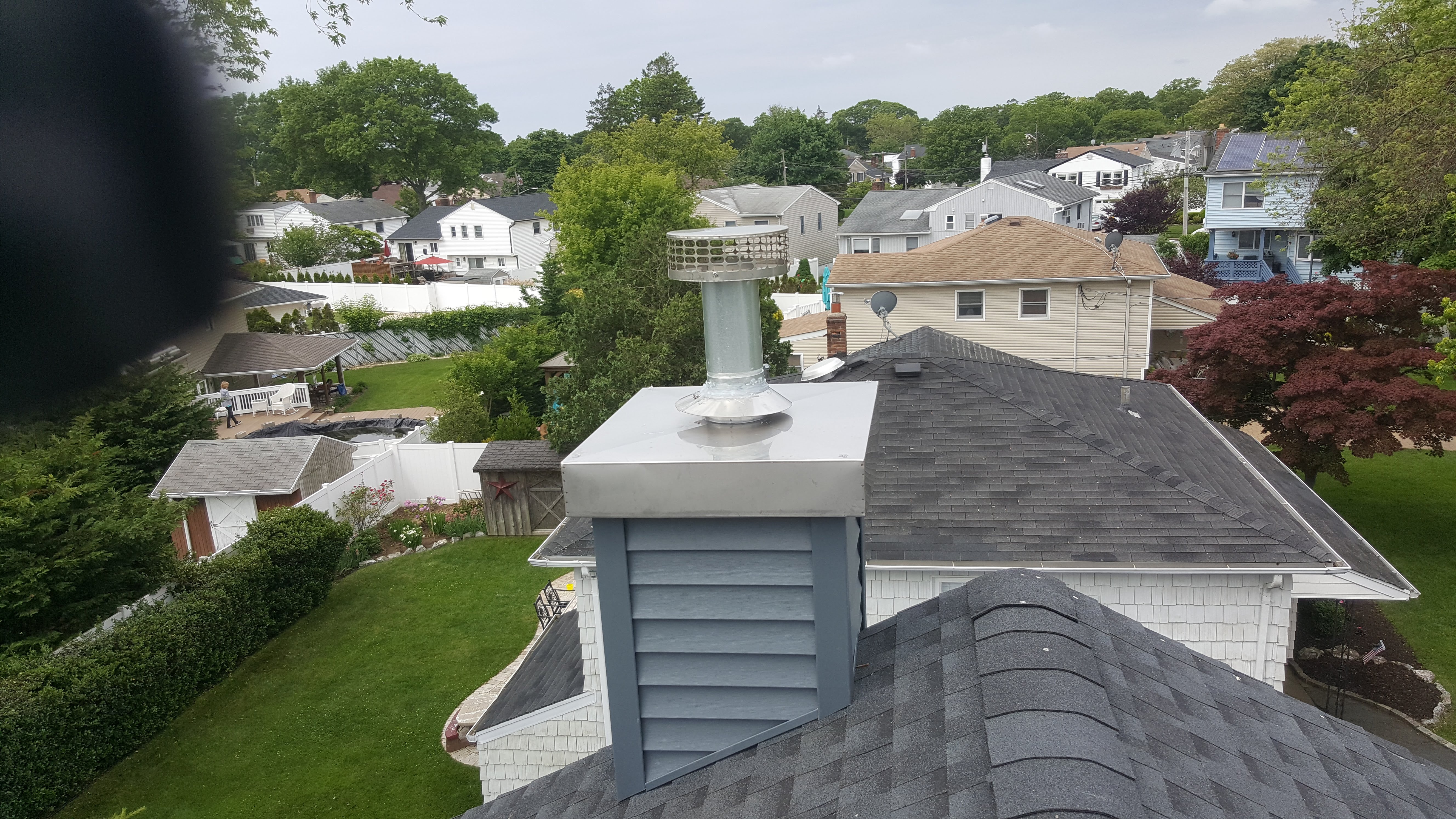
The chimney crown sits at the very top of your chimney, acting as a protective shield against rain, snow, and seasonal moisture that falls on Uniondale homes. Most homeowners never think about it until water starts appearing inside the chimney or around the hearth. This concrete or mortar cap covers the entire upper surface of your masonry, slopes downward on all sides, and directs water away from the flue opening and off the edges. Without a properly functioning crown, water finds its way into the chimney structure itself, creating problems that grow worse with each freeze-thaw cycle on Long Island.
Homes in Uniondale are built on a foundation of clay and sand that historically experiences significant moisture. The surrounding Nassau County area receives substantial rainfall throughout the year, and winter conditions bring snow melt that adds even more water load to your chimney system. Before the rainy season arrives and winter weather approaches, now is the perfect time to inspect your crown for damage. Many residents in Uniondale heat their homes with oil burners, which means the chimney works year-round and faces constant exposure to the elements. A failing crown means water penetrates into the mortar joints and masonry, leading to deterioration that spreads deeper into the system.
Cracks in the chimney crown develop for several reasons common to properties on Long Island. Age and weathering cause the crown surface to lose its protective seal over time. Freeze-thaw cycles crack and fragment concrete as water enters tiny gaps and expands when frozen. Poor original installation, with crowns that slope incorrectly or lack proper overhangs, allows water to run down the sides of the chimney instead of falling clear. Uniondale homeowners often discover crown problems only after water staining appears on interior ceilings or walls, or when mortar joints begin crumbling noticeably. At that point, the damage extends far deeper than just the crown itself.
The first line of defense concept is critical to understand. Your crown prevents water from ever entering the chimney structure in the first place. Once cracks or gaps appear, water bypasses that defense and attacks the flue tiles, mortar joints, and masonry from the inside. In Uniondale, where homes experience significant seasonal temperature swings, this water freezes during winter and thaws during spring, exerting tremendous pressure on the masonry. Water entry also creates an environment where freeze-thaw damage accelerates, potentially requiring expensive interior repairs. Catching and repairing crown damage early protects your entire chimney investment and prevents cascading problems throughout the system.
Visible cracks in the crown often appear as horizontal lines or spider web patterns across the concrete surface. Some cracks are hairline and might seem minor, but they expand during winter months on Long Island. Other damage includes sections of the crown that have completely separated from the chimney walls, leaving gaps where water pours directly into the structure. Missing mortar along the crown edges means water doesn't shed properly. Uniondale residents should inspect their crowns annually, particularly in fall before winter weather arrives. Early detection of cracks means a much simpler and less disruptive repair process than waiting until water damage spreads throughout the chimney system.
Water entry through a damaged crown causes damage in several specific ways that affect Uniondale homes. Water seeping into the flue tile structure can freeze and crack those tiles from within, requiring expensive replacement. Water absorbed into mortar joints weakens the bond between bricks, allowing mortar to crumble and fall away. Moisture migrating into the chimney interior can damage the damper and smoke shelf components. Water that reaches the roof framing and interior walls creates mold and wood rot conditions. In homes across Uniondale with older heating systems, increased moisture inside the chimney compromises draft and efficiency. The cost of repairing water damage that spreads throughout the chimney system far exceeds the cost of fixing the crown before the problem develops.
Homeowners throughout Uniondale have trusted DME Maintenance for chimney cleaning, liner installation, and masonry repairs since 2001. We are a local, Long Island-based, owner-operated company — not a franchise — so when you call, you reach someone who actually knows Uniondale and the surrounding communities.
DME Maintenance has been serving homeowners on Long Island since 2001, and crown repair remains one of our most frequently needed services in Uniondale. We understand the specific challenges that Uniondale properties face due to local soil conditions, weather patterns, and the age of many homes in our service area. DME Maintenance inspects the entire crown for cracks, separation, deterioration, and inadequate slope or overhang. We assess whether a repair can restore the crown effectively, or whether rebuilding the crown offers better long-term protection. Our experience allows us to spot early-stage damage that homeowners might overlook, preventing expensive water damage from developing. Call us at 516-690-7471 to schedule your crown inspection before winter weather arrives.
Timing matters significantly for Uniondale homeowners planning chimney crown work. Spring and early fall represent ideal windows to address crown problems before heavy rain or freeze-thaw cycles accelerate damage. Summer heat and humidity on Long Island can affect mortar curing, making spring and fall the optimal seasons. Homeowners in Uniondale who heat with oil systems should prioritize crown inspections as part of their seasonal chimney maintenance routine. Delaying repairs means a small crack may become a significant structural issue requiring more extensive work. The expense of acting now is far less than the cost of water damage restoration and chimney reconstruction later. Contact DME Maintenance at 516-690-7471 today to arrange your professional crown inspection and protect your home before the rainy season and winter arrive.